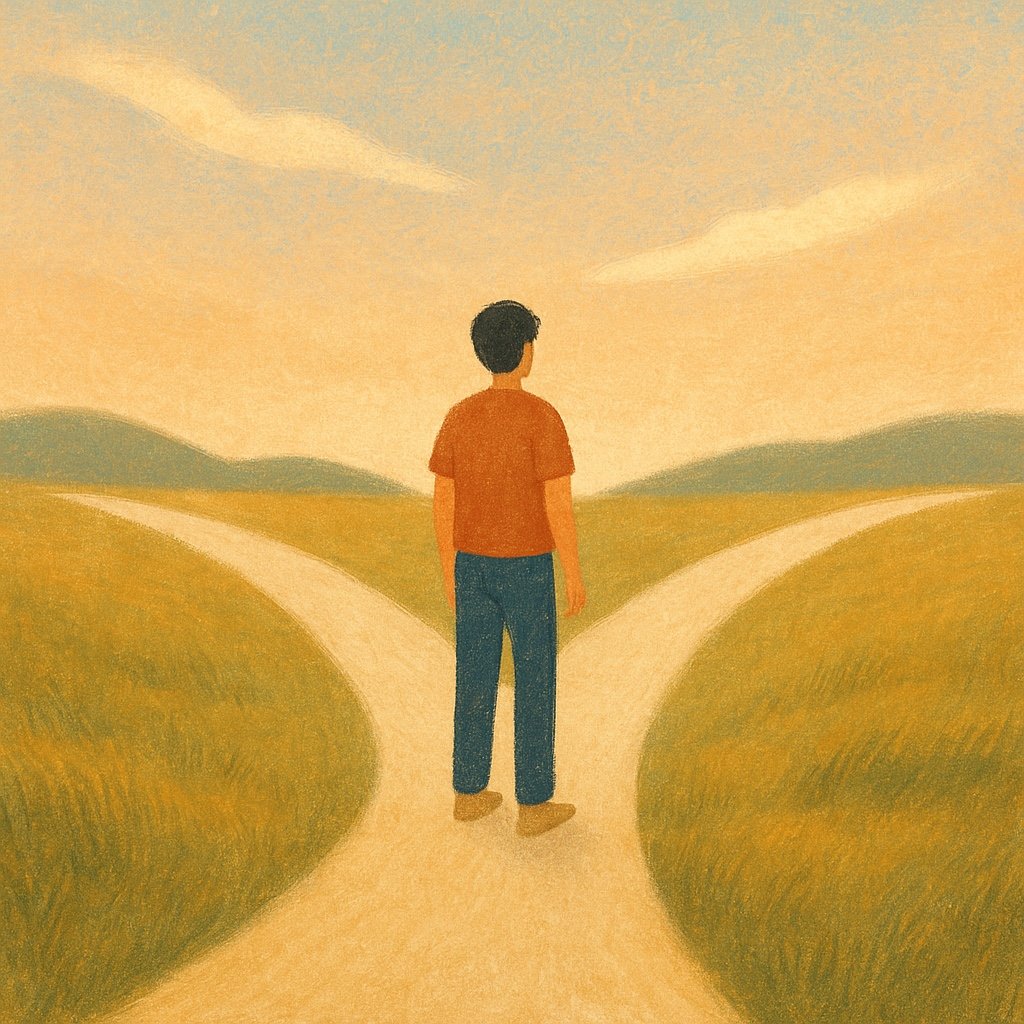
There is a moment many people experience in their twenties where everything looks fine on the outside, yet something inside feels unsettled. You may have finished your studies, started a job, or even achieved goals you once dreamed of, and still find yourself feeling lost. This experience can be confusing, isolating, and sometimes frightening, especially when it seems like everyone else has life figured out.
If this sounds familiar, you are not alone. Feeling uncertain in your twenties is far more common than most people admit. This phase of life is full of change, pressure, and expectation, and it usually brings deep questions about identity, purpose, and direction.
Feeling Lost in Your 20s: Why This Phase Is So Common?
Your twenties are often described as the decade where you should be building the foundations of your future. Career choices, relationships, finances, and personal values all seem to demand answers at once. When those answers are not clear, feeling lost in life can feel like a personal failure, but it is actually a natural response to rapid change.
Many people ask themselves, why do I feel lost, especially when I am doing what they were told would lead to happiness. The truth is that the structure provided by school and early education suddenly disappears. You are no longer following a clear path, and instead, you are expected to design your own. This sudden freedom can feel overwhelming rather than empowering.
This period is referred to as a quarter-life crisis. It is not a clinical diagnosis, but it accurately describes the emotional turbulence many young adults experience. Questions about who you are, what you want, and whether you are on the right path can all surface at once, leaving you feeling uncertain and disconnected.
According to the
Office for National Statistics (ONS) in Great Britain, 31 per cent of adults aged 16 to 29 reported feeling lonely often, always, or some of the time, compared with lower rates in older age groups, highlighting how many younger adults experience emotional challenges linked to uncertainty and lack of direction in life.
The Emotional Experience of Being Confused About Life
When you are confused about life, the experience goes beyond simple indecision. It can show up emotionally, mentally, and even physically. You might notice feelings of restlessness, anxiety, or low mood. You may feel unmotivated at work, distant in relationships, or unsure about decisions that once felt straightforward.
This confusion frequently comes from competing expectations. Family, friends, social media, and cultural norms can all send different messages about what success should look like. Trying to meet these expectations while also listening to your own inner voice can be exhausting. Over time, this tension can deepen the sense of feeling lost in life.
It is important to recognise that confusion is not a sign of weakness. It is a sign that you are growing and questioning. These moments of uncertainty appear just before meaningful change, even if they feel uncomfortable at the time.
Career Confusion and the Pressure to Have It All Figured Out
One of the most common sources of distress in your twenties is career confusion. Many people feel pressure to choose a career path that will define the rest of their lives, even though they are still learning who they are. It is no surprise that this leads to doubt and dissatisfaction.
You might be in a job that looks good on paper but feels empty, or you may be unsure which direction to take next. Watching peers progress in their careers can intensify these feelings and make you question your own choices. This often feeds into the broader experience of feeling lost, especially when your sense of identity is closely tied to your work.
It can help to remember that careers are rarely linear. Many people change paths multiple times throughout their lives. What feels like a wrong turn now may later be seen as valuable experience. Allowing yourself to explore, learn, and even make mistakes is part of finding a path that truly fits.
Relationships, Identity, and Shifting Values
Your twenties are also a time when relationships evolve. Friendships change as people move, settle into careers, or start families. Romantic relationships may begin or end, sometimes prompting serious reflection about what you want and need from others.
As your values shift, you may find that old roles or identities no longer feel right. This can contribute to feeling lost in life, as the familiar anchors that once defined you begin to change. It is common to grieve old versions of yourself while not yet knowing who you are becoming.
This process of identity development is ongoing. Feeling unsettled does not mean you are doing something wrong. It means you are paying attention to your inner world and responding to change, even when it feels uncomfortable.
What to Do When You Feel Lost and Unsure of Your Direction
When uncertainty takes over, it is common to wonder what to do when you feel lost. Although there is no quick fix, there are gentle and supportive steps you can take to steady yourself during this phase.
Start by slowing down and creating space for reflection. Journaling, quiet walks, or simply sitting with your thoughts can help you reconnect with what matters to you. Try to notice patterns in what energises you and what drains you. These clues can guide future decisions.
It can also be helpful to break big questions into smaller ones. Instead of asking what you want to do with your life, consider what feels right for the next few months. Small, manageable steps can reduce overwhelm and build a sense of agency.
Most importantly, practise self-compassion. Feeling uncertain does not mean you are behind. Everyone moves through life at a different pace, even if it does not always look that way from the outside.
If you find that uncertainty or emotional overwhelm is affecting your daily life, individual
psychotherapy in Singapore can provide thoughtful support as you reflect, process emotions, and reconnect with what matters most to you.
Understanding the Deeper Meaning Behind Feeling Lost
Usually, feeling lost is less about lacking direction and more about needing realignment. It can signal that your current life no longer matches your values, needs, or aspirations. While this realisation can be unsettling, it is also an opportunity for growth.
Rather than trying to eliminate uncertainty, try to get curious about it. Ask yourself what this discomfort might be teaching you. Are there parts of your life that need attention or change? Are there desires you have been ignoring?
By viewing this phase as a transition rather than a failure, you can begin to relate to it with more kindness and patience. Over time, clarity emerges not from forcing answers, but from allowing yourself to explore.
Seeking Support During a Quarter Life Crisis
Navigating a quarter-life crisis does not have to be a solitary experience. Talking to trusted friends or family members can help you feel less alone. However, it is also essential to choose people who can listen without judgment or comparison.
Professional support can be especially valuable during this time.
Counselling or therapy offers a safe space to explore questions about identity, purpose, and direction. It can help you understand why you feel the way you do and develop strategies for coping with uncertainty.
Support is not a sign that you are unable to cope. It is a sign that you are taking your well-being seriously and investing in your personal growth.
Learning to Trust the Process of Becoming
One of the most complex parts of your twenties is accepting that life is still unfolding. There is pressure to arrive at a fixed version of yourself, yet growth rarely works that way. You are allowed to change your mind, revise your goals, and redefine success.
When you feel confused about life, it can help to focus on building a
relationship with yourself rather than chasing certainty. Pay attention to your values, boundaries, and emotional needs. Over time, these form a more stable foundation than any external milestone.
Trust that this phase, while uncomfortable, is shaping you in important ways. Many people later look back on their twenties as a time of deep learning, even if it felt messy at the time.
Moving Forward with Compassion and Curiosity
If you are feeling lost in life, remember that you are not broken and you are not alone. This experience is a typical response to growth, change, and the search for meaning. It does not define you, and it will not last forever.
Allow yourself to ask questions, seek support, and take small steps forward. Clarity often comes through action and reflection, not through having all the answers at once.
How to Unwind When Stress Relief Looks Different Each Day
Understanding how to unwind requires flexibility. Some evenings benefit from movement, while others require stillness or expression. Effective relaxation techniques respond to the body’s needs rather than follow rigid rules.
Developing adaptable stress coping strategies reduces frustration and supports long-term regulation. Responsiveness matters more than perfection, particularly during periods of high demand.
An Invitation to Reach Out
If you are struggling with uncertainty, career confusion, or feeling disconnected from yourself, support is available. At
Listening Room, we propose a warm and confidential space to explore what you are going through and to make sense of this critical stage of life.
If you would like to talk, we invite you to get in touch. You do not have to navigate this alone, and sometimes, being heard is the first step towards finding your way again.